Description
General Description
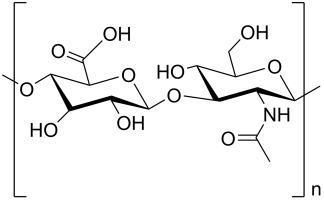
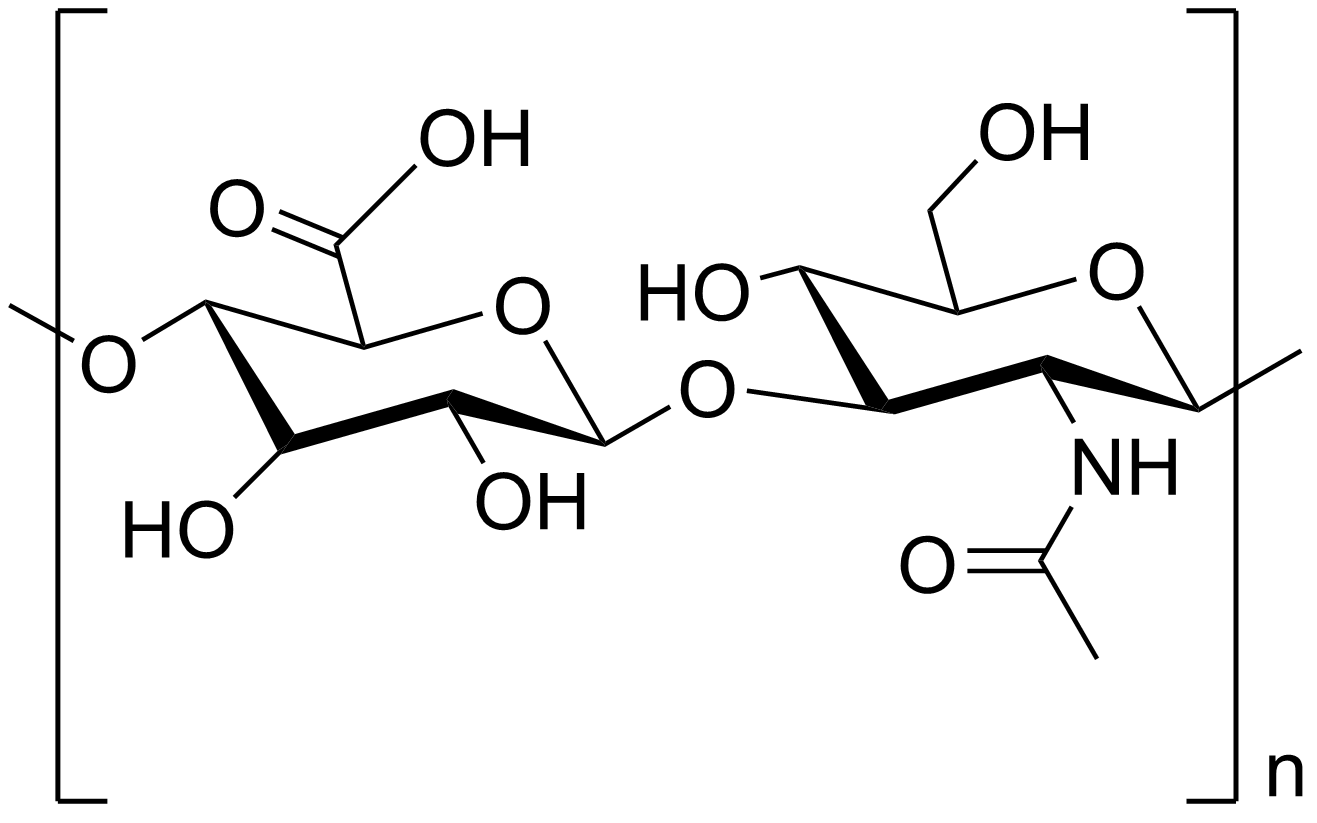
Hyaluronic acid (HA) is a naturally occurring linear polysaccharide belonging to the glycosaminoglycan family. It is composed of repeating disaccharide units of D-glucuronic acid and N-acetyl-D-glucosamine. HA is widely recognized for its excellent biocompatibility, biodegradability, and strong water-binding capacity.
Key Properties
- High hydrophilicity and water retention capability
- Excellent biocompatibility and low immunogenicity
- Biodegradable under physiological conditions
- Viscous and viscoelastic behavior in aqueous solutions
- Readily modifiable for chemical conjugation
Applications
- Drug delivery systems and controlled release formulations
- Hydrogel and scaffold fabrication
- Tissue engineering and regenerative medicine
- Ophthalmic and orthopedic biomaterials
- Cosmetic and dermatological formulations
- Bioconjugation and surface functionalization
Functional Overview
Hyaluronic acid serves as a versatile biomaterial platform that can be chemically modified (e.g., amine, thiol, or ester derivatives) to introduce reactive functionalities for covalent conjugation and advanced material design.
Summary
Hyaluronic acid is a highly versatile biopolymer widely used in biomedical and pharmaceutical applications due to its unique physicochemical properties and ease of chemical modification.